Coverage line
Commercial Auto Insurance for Plumbing Contractors
The service trucks and vans that run between the shop and the jobsite are the moving part of a plumbing operation — a fleet that hauls plumbers, tools, and material on the road every working day. Commercial auto is the line built for the truck-roll trade: auto liability, physical damage, and the hired and non-owned auto exposure.
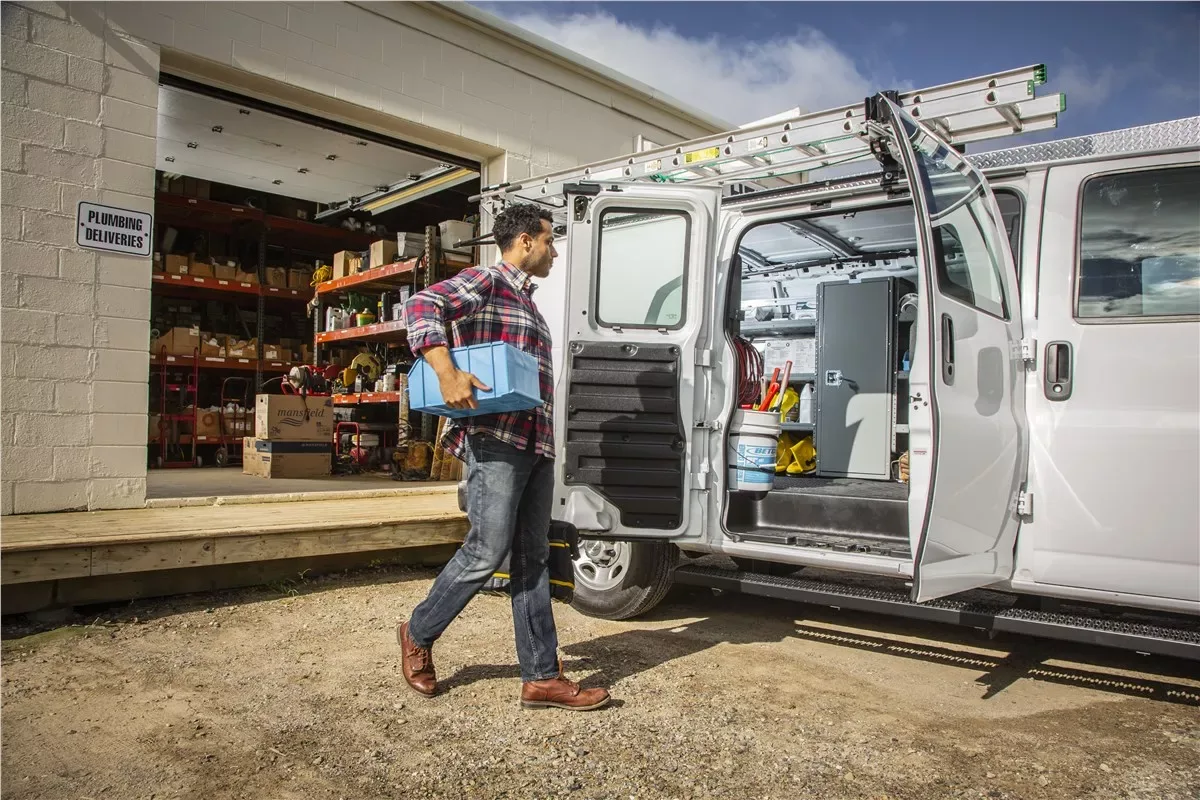

A plumbing business runs on wheels. The service trucks and vans that carry plumbers, tools, and material from the shop to the jobsite and back are the moving part of the operation — on the road every working day, in traffic, in parking structures, and up and down the driveways and loading areas of the properties you serve. Commercial auto is the line built for that reality: it covers the vehicles your business owns and runs, and the exposure that comes with putting them on the road.
Because plumbing is a truck-roll trade — the work comes to the customer rather than the customer coming to a shop — the fleet is not a side exposure; it is central. This page covers the two sides commercial auto responds on, auto liability and physical damage, then treats the hired and non-owned auto exposure that catches operations off guard, names the standard form and the covered-auto symbols that govern it, and draws the seams where commercial auto stops: the tools inside the truck that belong to contractors equipment, and the work on the jobsite that belongs to general liability.
The truck-roll trade: what commercial auto covers
Commercial auto covers the vehicles a plumbing business owns and operates — the service trucks, the vans, and the larger vehicles a sewer or commercial operation runs. It is different from the personal auto policy on a family car in the ways that matter to a business: it is written for vehicles used in the trade, it accounts for the drivers on your payroll, and it can carry the higher limits a commercial operation and its contracts require. For a plumbing contractor, it is the line that answers when a truck on the way to a job, or working around a site, turns into a loss.
The coverage responds on two broad sides — the harm your vehicles do to others, and the damage to your own vehicles — and it is worth taking each in turn, because they answer different things and a plumbing operation needs both.
Auto liability: harm on the road
Auto liability is the side that answers for the bodily injury and property damage your vehicles cause to others. A service truck that rear-ends a car on the way to a job, a van that backs into another vehicle at a supply house, a truck that damages property maneuvering around a site — these are the third-party auto claims commercial auto liability is built for, along with the legal defense that comes with them. For a plumbing business whose trucks are on the road constantly, this is the exposure that runs every mile the fleet drives.
It is also the coverage that contracts and the law watch. General contractors, developers, and project owners routinely require auto liability at specified limits before a plumbing sub can bring vehicles onto a site, and states set their own financial-responsibility requirements for commercial vehicles. Meeting those requirements — and reading them against how your fleet actually runs — is part of writing the line correctly rather than discovering a shortfall when a certificate request or an accident lands.
Physical damage: your own trucks and vans
Physical damage is the side that answers for your own vehicles. Where auto liability covers the harm you do to others, physical damage covers the trucks and vans themselves — the collision that stoves in a service truck, the theft of a van from a jobsite or a yard, the vandalism, the weather event, the fire. For a plumbing operation, the fleet is a working asset the business cannot run without, and a truck out of service is not just a repair bill but a crew that cannot reach the job. How it is structured — which vehicles carry it, and how — is driven by the fleet, since a newer service truck and an older backup van do not carry the same exposure, and the coverage can be matched to each.
Hired and non-owned auto: the exposure that catches operations off guard
Not every vehicle a plumbing business puts to work is a truck it owns, and the vehicles it uses but does not own are the exposure most often missed. Two situations create it. The first is a hired vehicle — a van or a truck your business rents, leases, or borrows when a job needs more capacity than the owned fleet can carry. The second is a non-owned vehicle — most often an employee’s own car, driven on a parts run, between jobs, or on an errand for the business. In both, a vehicle is being used for the operation, and an accident can pull the business into the claim even though the business does not own the vehicle.
Hired and non-owned auto coverage is the piece that answers for this. It reaches the liability exposure of the rented van and the employee’s own car used on the business’s behalf — the gap a policy written only around the owned fleet would leave. For a plumbing operation that rents a vehicle for a big job, or that ever sends a crew member to grab a fitting in a personal car, this is not a hypothetical exposure; it is a routine one, and whether the policy picks it up depends on how the coverage is set.
The form and the covered-auto symbols
Most commercial auto policies are built from the standard industry Business Auto Coverage Form — the form generally known as CA 00 01 — which sets out the auto liability and physical damage coverage and, crucially, uses a system of covered-auto symbols to define which vehicles a given coverage applies to. The symbols are the mechanism that decides whether a coverage reaches your owned trucks, your hired vehicles, your non-owned vehicles, or some combination — and reading them is how you know what your policy actually covers.
Two symbols carry the hired and non-owned exposure a plumbing operation faces: symbol 8 designates hired autos, and symbol 9 designates non-owned autos. If your policy shows those symbols for a coverage, the rented van and the employee’s personal car used for the business are picked up for that coverage; if it does not, they may not be. Because the symbols shown for liability can differ from the symbols shown for physical damage, and because an operation’s use of hired and borrowed vehicles changes over time, checking the symbols against how your fleet actually runs is exactly the kind of read we do before binding — it is where a policy quietly covers, or quietly fails to cover, the vehicles you really use.
Where commercial auto stops: the seams that matter
Two seams decide what commercial auto does not answer, and both trip up plumbing contractors who assume the truck policy reaches everything that rides on the truck or happens near it. Naming them keeps the gap covered rather than discovered.
The tools-on-the-truck seam — contractors equipment. Commercial auto covers the vehicle; it does not cover the tools and machines inside it. Your hand tools, pipe threaders, sewer cameras, pipe locators, drain machines, and the fixtures staged for the next install are covered under contractors equipment, an inland marine line built for tools and materials on the jobsite and in transit. When a truck is in a collision, that is commercial auto; when the drain machine inside it is stolen off a job or damaged in transit, that is contractors equipment. The truck and the gear it carries are two different lines, and a plumbing operation carries both.
The jobsite-and-road seam — general liability. Commercial auto answers for your vehicles and the harm they cause; it does not answer for the harm your work causes. The golden general liability page draws this from the other side: the work you do and the harm it does on the jobsite run through general liability, while the trucks and vans on the road run through commercial auto. The line is drawn around the auto as the cause — if the vehicle causes the harm, commercial auto responds; if the plumbing work causes it, general liability does. On a real site the two sit close together, which is why a plumbing operation carries them side by side.
Why plumbing contractors need it
What makes commercial auto essential for a plumbing business is simply how the trade works: the operation runs on a fleet that is on the road every working day, and the miles a service business drives are the exposure. A single at-fault accident can put a serious third-party claim on the business, take a working truck out of service, and — on a commercial account — put a contract at risk if the required auto limits are not in place. Commercial auto is the line that answers when the fleet turns into a loss.
Because the exposure differs by how you run, the policy has to fit the operation. A Residential Plumbing contractor runs service vans between homes all day, with the routing and mileage of constant service calls. A Commercial Plumbing contractor adds larger vehicles, more drivers, and the auto-liability limits commercial contracts demand. Writing both off one generic auto form misreads the fleet and the exposure. We rate each to the vehicles and the way they actually run.
What commercial auto responds to
These are the categories underwriters expect on a plumbing commercial auto file. They are described qualitatively and with generic carrier language — every claim is handled by the carrier, never named here — with no fabricated cost or frequency figures.
- Auto liability. Bodily injury and property damage your service trucks and vans cause to others on the road, and the legal defense that comes with it.
- Physical damage. Damage to your own trucks and vans — collision, theft, vandalism, fire, and other covered perils that take a working vehicle out of service.
- Hired auto. The liability exposure of vehicles your business rents, leases, or borrows when a job needs more capacity than the owned fleet carries.
- Non-owned auto. The liability exposure of vehicles the business does not own but that are used for it — most often an employee’s own car on a parts run or between jobs.
- Certificate and contract obligations. The auto-liability limits general contractors, developers, and project contracts require before your vehicles come onto a site.
Limits and structure
Commercial auto is usually written with an auto-liability limit and separate physical-damage terms per vehicle, and the right structure for a plumbing operation is driven by the fleet and how it runs — the number and type of vehicles, the drivers on your payroll, whether you rent or borrow vehicles, the mileage and routing of the work, and the auto limits your contracts demand. General-contractor and project accounts especially drive the required limits, often specifying auto liability at a set figure as a condition of coming onto a site. Rather than quote a number, we read what your fleet and your contracts actually require and set the limits and the covered-auto symbols to match. Where an account or a larger contract calls for limits above your primary auto layer, that is what umbrella liability is for, sitting excess of the underlying auto policy — and the tools and machines that ride in the trucks are answered by a separate contractors equipment line.
Why Plumbing Guard Insurance
We are an independent agency that writes one class — plumbing contractors — and we place coverage with carriers that want the work. That focus is the point. We know to ask how many trucks and vans you run, who drives them, and whether you rent or borrow vehicles before we quote; to read whether your covered-auto symbols pick up the hired and non-owned exposure your operation actually carries; to set the auto-liability limit to what your contracts demand; and to draw the seams so the tools inside the truck and the work on the jobsite are answered by the right lines rather than assumed to ride along on the auto policy. When a general contractor’s certificate request lands with auto-limit requirements you need to meet, that is a call we take. Start with a quote, or talk it through with us first.
Learn more
Coverage for a plumbing business works as a system. Commercial auto pairs most closely with contractors equipment for the tools and machines that ride in the trucks, and with general liability for the work on the jobsite, pollution liability for the sewage and contaminant exposure of drain and sewer work, workers compensation for the crew, and umbrella liability when an account demands auto limits above your primary layer. How it is written also differs by the plumbing you do across the two service pillars — Residential Plumbing Insurance and Commercial Plumbing Insurance.
Coverage for plumbing contractors
- General Liability Insurance
- Pollution Liability Insurance
- Contractors Equipment Insurance
- Workers Compensation Insurance
- Umbrella Liability Insurance
- Professional Liability Insurance
Insurance by the plumbing you do
Get covered
Primary sources
Frequently asked questions about Commercial Auto Insurance
What does commercial auto cover for a plumbing contractor?
Commercial auto covers the vehicles your plumbing business owns and runs — the service trucks and vans that move plumbers, tools, and material between the shop and the jobsite every working day. It responds on two sides: auto liability, which answers for the bodily injury and property damage your vehicles cause to others on the road, and physical damage, which answers for damage to your own trucks and vans from a collision, theft, vandalism, or other covered peril. It also reaches the hired and non-owned auto exposure — rented vehicles and an employee’s own car used for the business. It does not cover the tools and machines inside the truck, which sit under contractors equipment, and it does not cover the work you do on the jobsite, which sits under general liability.
What is hired and non-owned auto coverage?
It is the exposure from vehicles you use but do not own outright, and it is easy to overlook. Hired auto covers vehicles your business rents, leases, or borrows — the van you rent when a job needs more capacity. Non-owned auto covers vehicles your business does not own but that are used on its behalf — most often an employee’s own car driven on a parts run or between jobs. In the standard Business Auto system these are handled through the covered-auto symbols, with symbol 8 designating hired autos and symbol 9 designating non-owned autos. A plumbing operation that ever rents a vehicle or sends a crew member on an errand in a personal car carries this exposure, and whether your policy picks it up depends on the symbols actually shown on your coverage form.
Are the tools and equipment in my truck covered by commercial auto?
No — and this is the seam plumbing contractors most often misread. Commercial auto covers the vehicle itself: the truck or van, its liability on the road, and physical damage to it. The tools and machines inside — hand tools, pipe threaders, sewer cameras, pipe locators, drain machines, and the fixtures staged for the next install — are covered under contractors equipment, an inland marine line built for tools and materials on the jobsite and in transit. If a truck is in a collision, that is commercial auto; if the drain machine inside it is stolen or damaged, that is contractors equipment. The two lines travel together but answer different property, which is why we write them side by side.
Does commercial auto cover an accident that happens on the jobsite?
It depends on whether the loss is about the vehicle or about the work, which is the jobsite-and-road seam. Commercial auto answers for your vehicles — a truck that causes harm while it is being driven or operated, on the road or moving around a site. Harm that arises out of your plumbing work itself — the operation you are performing, not the vehicle — is general liability’s territory. The line is drawn around the auto as the cause: if the vehicle causes the harm, commercial auto responds; if the work causes it, general liability responds. On a real jobsite the two can sit close together, which is exactly why a plumbing operation carries both and we structure them to fit.
What form is commercial auto written on?
Most commercial auto policies are built from the standard industry Business Auto Coverage Form — the form generally known as CA 00 01 — which sets out the auto liability and physical damage coverage and uses a system of covered-auto symbols to define which vehicles a given coverage applies to. The hired and non-owned exposure a plumbing operation carries is handled through those symbols, with symbol 8 for hired autos and symbol 9 for non-owned autos. Which symbols your policy actually shows for each coverage decides which of your vehicles — owned, hired, or non-owned — are picked up, which is what we read against how your operation runs before binding rather than after a loss.
Get commercial auto built around the fleet you run
Tell us how many trucks and vans you run and how they roll, and we will market it to carriers that write the class — with auto liability, physical damage, and the hired and non-owned exposure handled, not assumed.