

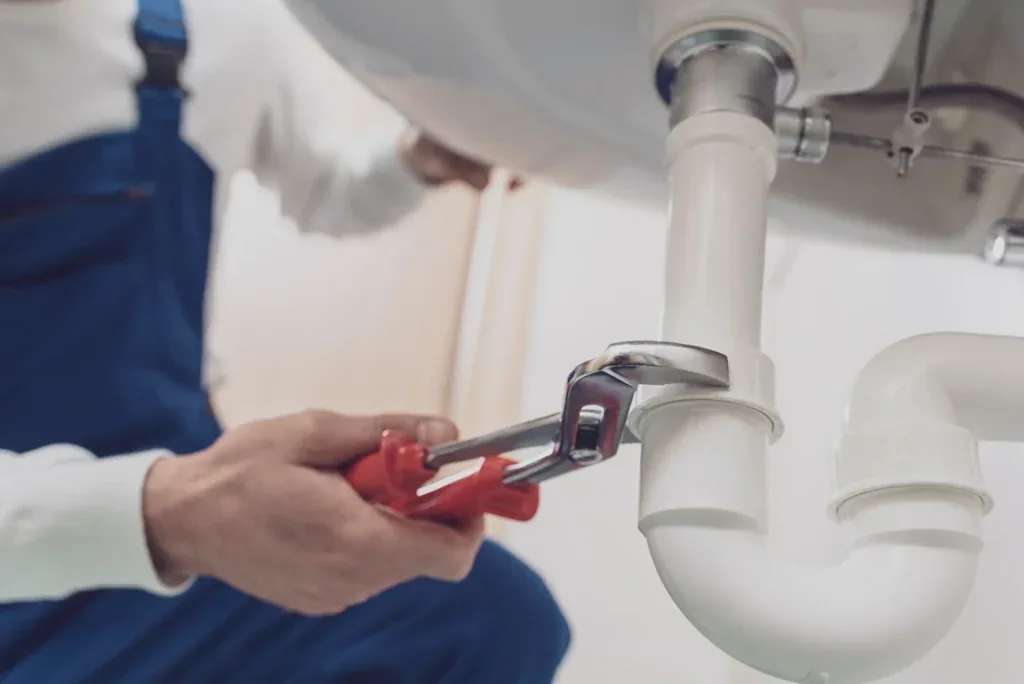
Starting a plumbing business follows the same path as starting any small business, and the clearest map is the U.S. Small Business Administration’s 10 steps to start your business: conduct market research, write a business plan, fund the business, pick a location, choose a legal structure, choose a name, register the business, get federal and state tax IDs, apply for licenses and permits, and open a business bank account. That framework is the same whether you are opening a bakery or a plumbing shop — but two of the ten steps carry plumbing-specific weight, and getting them right is what separates a licensed, insured operation from a van with a phone number.
This is general education, not legal or tax advice. Entity, licensing, and tax rules vary by state and change over time, so confirm the specifics with your state licensing board, a qualified attorney or CPA, and the SBA before you rely on anything here. What this post can do is walk the SBA framework the way it actually lands for a plumbing contractor — where the standard steps apply cleanly, and where the licensed nature of the trade and the water it works around change what a founder has to think about.
The SBA’s ten-step framework, and where plumbing differs
The value of the SBA framework is that it is complete and ordered: each step sets up the next, so working them in sequence keeps a founder from registering a business before choosing its structure, or chasing work before the license is in hand. For most of the ten, a plumbing company is a small business like any other — the market research, the plan, the funding, and the bank account are the same disciplines a founder in any trade works through.
Two steps are where the plumbing part changes the picture. Step nine, apply for licenses and permits, is the one that carries the most trade-specific weight, because plumbing is a licensed trade in most of the country and the rules are not uniform. And running alongside the SBA’s steps is a decision the framework treats lightly but a plumbing owner cannot — insurance, which for a company working around water in occupied buildings is a gate to getting work, not an afterthought. Walk the ten in order, and give those two the extra attention the trade demands.
Research, plan, and fund the business
The first three SBA steps build the foundation. Market research asks who needs plumbing work in your area, who already serves them, and where the gap is — service and repair, new construction, commercial tenant work, or a mix. A plumbing market is intensely local, so the research is local: the mix of housing stock and commercial buildings, the competitors already established, and the kind of work that goes unserved.
The business plan turns that research into a document — what the company does, who it serves, how it makes money, and what it needs to start. The SBA treats the plan as the backbone of the other steps, and for good reason: it is where you size your startup number honestly instead of guessing. Funding is step three, and the SBA walks the common paths — self-funding, small-business loans, and investors. A plumbing startup has real capital needs a service business does not: a work van, the tools and equipment a crew carries, and a cushion for the stretch between finishing a job and getting paid. Build that figure from your own plan rather than a rule of thumb, because the right number depends on your market and whether you hire from the start.
Structure, name, and register the business
Steps four through seven turn the plan into a legal entity. Picking a location — step four — may be a shop, a yard, or a home base a plumbing contractor dispatches from, and it interacts with zoning and local rules worth confirming early. Choosing a legal structure, step five, is the decision to make with a qualified attorney or CPA rather than a template, because structure drives your liability exposure, your taxes, and how you register. It comes before registration deliberately, so make it with real advice.
Choosing a name, step six, is where you confirm the name is available and not already claimed, and step seven, registering the business, makes the entity official with your state. These steps are not plumbing-specific in their mechanics, but they matter to a plumbing owner for a practical reason worth stating plainly: the structure you choose and the way you keep the entity separate from your personal finances are part of how your liability protection actually holds up if a job goes wrong. Set them up carefully, and keep them clean afterward.
Tax IDs, licensing, and the plumbing-specific reality
Step eight, get federal and state tax IDs, is the administrative gate that lets you hire, open accounts, and file — the SBA walks the federal employer identification number and the state equivalents. Step nine is where a plumbing business departs from a generic startup, because plumbing is a licensed trade in most of the country and the licensing rules are anything but uniform.
Here is the honest version: the specifics vary by state, and sometimes by city or county. Some states license plumbers at the state level, others hand it to local jurisdictions, and the tiers, exam requirements, experience hours, and renewal rules differ from place to place. That variation is exactly why this post does not print a checklist of requirements — a real one would be wrong for most readers. The right move is to confirm your own jurisdiction’s current rules directly. Our do plumbers need a license post walks the licensing question in more depth, and the state pages under locations are organized by state so you can see how the trade is treated where you work. Treat licensing as an ongoing obligation, not a box you check once and forget.
The bank account, and the insurance step the framework treats lightly
Step ten, open a business bank account, closes the SBA list, and it matters more than it sounds. A separate account keeps business and personal money apart, which supports the liability protection you set up when you chose your structure, simplifies taxes, and makes bookkeeping and insurance audits far cleaner. Mixing funds can quietly undercut the very protection you built the entity to get.
The SBA framework treats insurance as one item inside its licenses-and-permits guidance, but for a plumbing company it deserves its own line. Two coverages belong at the start. General liability responds when your work damages a customer’s property or injures someone — and a plumbing crew works in occupied buildings around water, where a leak or a mistake can cause real damage from the first job. Workers’ compensation is generally required the moment you hire an employee, with rules that vary by state, and it responds when a worker is hurt on the job. Just as important, many customers and general contractors will not let a plumbing crew on site without proof of both, which makes coverage a gate to getting work rather than only a safeguard. When you are ready to price it, our coverage overview shows how the lines fit together and you can start a quote built for a plumbing operation.
Real-World Scenario: Two plumbers pull their licenses the same month and start taking calls. One works the SBA steps in order — writes a plan, registers a proper entity, opens a business account, and carries general liability and workers’ compensation from the first job. The other skips the paperwork and works out of a personal account with no coverage yet, planning to “get to it.” A fitting fails on a second-floor job and water runs through a finished ceiling into the unit below. The first plumber files a general liability claim and keeps working. The second pays the damage out of pocket, loses the customer, and discovers the general contractor he was courting requires a certificate of insurance he cannot produce. Same trade, same skill — the difference was doing the founding steps in the right order.
Where the plan meets your coverage
The SBA framework gives a plumbing founder a complete, ordered path, and most of it is the same work any small-business owner does. The two places the plumbing trade changes the picture are the ones worth extra care: licensing, which varies by state and is an ongoing duty rather than a one-time task, and insurance, which for a company working around water is both a safeguard and a requirement for getting on many jobsites. Work the ten steps in order, confirm your licensing where you actually operate, and set up the entity cleanly so the liability protection holds.
When the foundation is in place and you are ready to protect it, start a quote and tell us how your business works — residential service or commercial and new construction — and read the coverage overview to see how general liability and workers’ compensation fit together for a plumbing operation. And confirm the entity, licensing, and tax specifics with your state board, a qualified attorney or CPA, and the SBA, because those rules vary and change and this post is education, not legal or tax advice.