

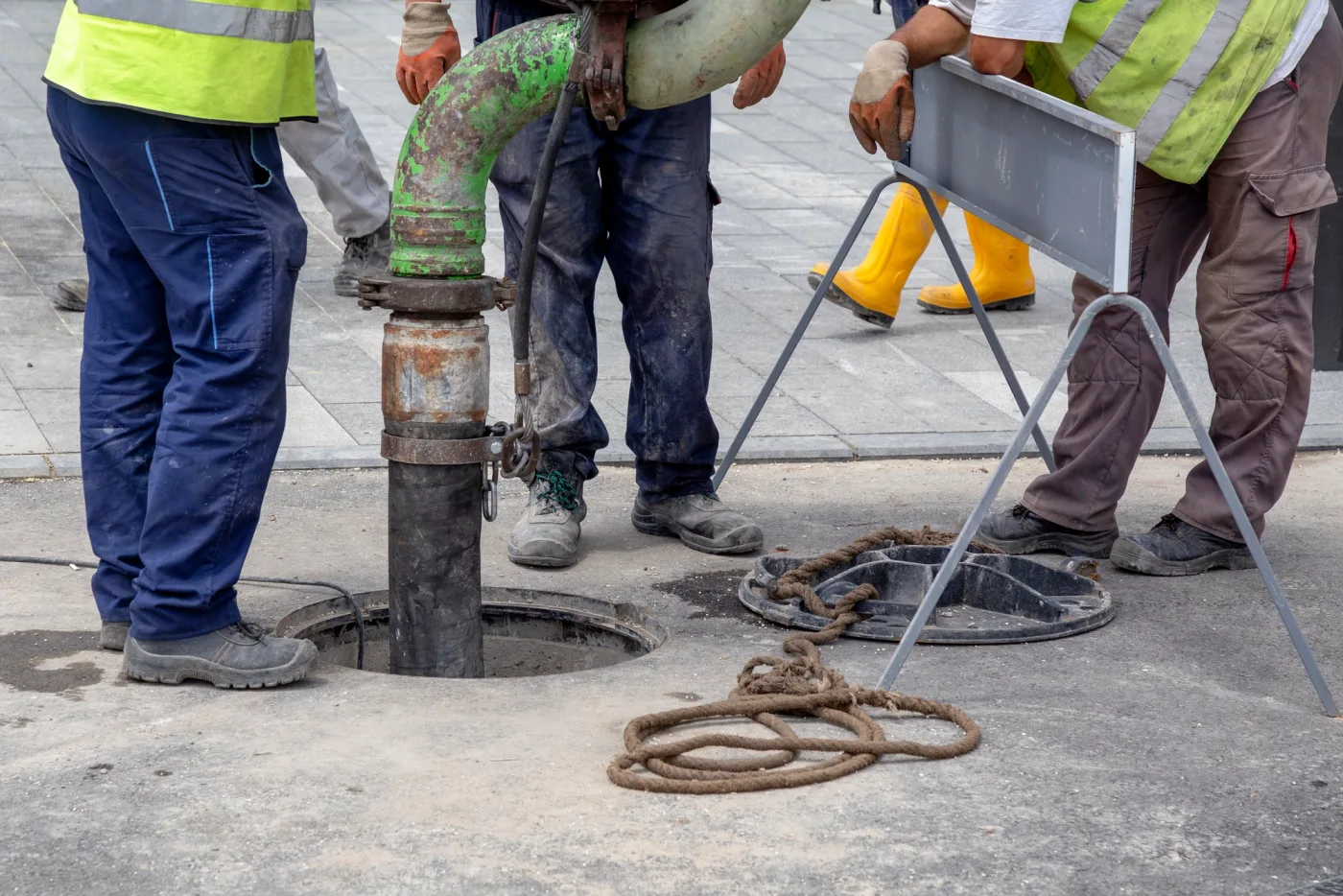
There is no published price for plumbing contractor insurance in Indiana, and one reason worth starting with is how the state builds a plumbing business in the first place. Indiana runs a genuine licensing ladder — apprentice to journeyman to a business plumbing-contractor license — but, unlike many states, it does not layer a separate master tier on top. That structure shapes how your crews are staffed and supervised, which is one of the things a carrier reads when it builds your cost. A carrier does not price from an average; it prices from your operation: your labor mix, the connections you leave behind, and the coverage you carry. This guide walks the drivers that decide what an Indiana plumbing contractor pays.
That answer frustrates owners who just want a number, but it is the honest one. A residential service plumber and a commercial new-construction contractor are the same trade only in name, and a carrier prices them from different pictures. Below is what moves the number for an Indiana plumbing operation, in roughly the order it matters, and what you can do about each.
The Indiana licensing ladder and your labor mix
Indiana licenses plumbers through the Indiana Plumbing Commission across apprentice, journeyman, and plumbing-contractor credentials — a progression that runs from a registered apprentice through a four-year path to journeyman and on to the business contractor license, without the separate master tier many states insert. For an owner that is a labor-composition fact with cost consequences: the mix of apprentice and journeyman labor on your crews, and the contractor standing behind the company, shapes both your payroll and the risk profile a carrier reads, because supervised, credentialed work tends to correlate with the workmanship quality that limits completed-operations claims. The ladder is not a premium line — but the way your crews are staffed against it is part of the picture a carrier builds, and it starts the cost conversation here as much as any climate factor.
Why there is no published price for Indiana plumbing contractor insurance
A premium is the output of an underwriting model, not a sticker. The carrier takes your specific exposures — how many people you employ and what they do, the revenue behind your completed work, your loss history, and the limits your contracts require — and prices each line against them. Change any input and the number moves. The Indiana Department of Insurance oversees a market where the licensing structure, a hard-water-and-freeze service book, and the completed-operations water tail together shape the cost conversation more than any headline figure. The rest of this guide is those drivers.
Crew payroll and Indiana workers compensation
Payroll is usually the single biggest driver for a plumbing contractor, because it scales both your workers compensation and a large part of your general liability. It is not just the size of the payroll — it is which work it covers. Plumbing carries genuine injury severity: crews work in open trenches that can collapse, in confined spaces, and around scald and gas hazards, which is why the Occupational Safety and Health Administration treats trenching and confined-space entry as defining safety regimes, and why a carrier reads your crew’s safety discipline as closely as its size. Indiana is a private-market comp state, so comp is written by a private carrier and mandatory for most employers with employees, and how your class is rated and your record reads both feed the number.
Revenue and the completed-operations water-damage tail — the work you leave behind
Your revenue is a rating basis for general liability, but for a plumbing contractor the exposure that defines the class is completed operations — the work you leave behind. A connection, valve, or line keeps existing after your crew is gone, and one that fails downstream can flood a finished space and become a serious third-party property-damage claim long after the job closes. The completed-operations side of general liability is the signature line built to answer for it, and because installed plumbing carries such a long tail, your revenue and your workmanship-and-pressure-testing record are inputs a carrier weighs closely. This is the plumbing contractor’s defining cost driver, the thing that separates installed plumbing from trades that leave nothing behind.
Hard water, seasonal freeze, and your Indiana service book
Indiana’s water and its winters both shape the work. Hard water and mineral scale foul fixtures, valves, and water heaters across much of the state, driving a steady book of softener, filtration, and replacement service — and a scale-driven failure on completed work is a completed-operations claim. Over that runs a seasonal freeze: a cold snap drives burst-line and thaw calls, and a connection that fails in an unheated crawlspace or exterior wall can flood a finished area. For a plumbing contractor both facts concentrate where installed work gets tested, so the volume behind that service book and your claims history in it are drivers a carrier weighs closely. A clean record across a hard-water, freeze-exposed book is worth real money at renewal.
Service, new construction, and the coverage stack
The kind of plumbing you do moves the number as much as how much you do. A residential service and remodel operation carries a completed-operations water-damage profile driven by repairs, repipes, softeners, and fixture work in occupied, finished spaces. A commercial and new-construction contractor carries a different signature: larger systems, additional-insured and higher-limit contract demands, and new-system completed-operations exposure — and the gas-line share sits at the severe end, where a failure carries fire and explosion consequences beyond a water loss. The coverage stack itself is a driver: commercial auto grows with your rolling stock, contractors’ equipment covers the jetters, cameras, and pumps on the jobsite and in transit, and pollution liability answers the sewage-and-contaminant exposure the standard general liability policy carves out through its pollution exclusion. The full coverage overview shows how each line fits together — none of these are places to under-buy blindly.
Supervision, contracts, and the Indiana commercial file
Because Indiana’s ladder runs from apprentice to journeyman to a business contractor license without a separate master tier, supervision on larger jobs is something a carrier reads with care. On a commercial or new-construction project, how apprentice labor is supervised against the journeymen and the contractor standing behind the company shapes the workmanship quality that limits completed-operations claims — and an underwriter weighs that against the additional-insured and higher-limit requirements a general contractor sets. A plumbing contractor bidding that work carries the limits the contract demands rather than a generic baseline, so matching coverage to the contracts you actually sign is a direct cost input. On the residential side, the hard-water and freeze service book concentrates loss activity in predictable places, and a clean completed-operations record across it is a durable renewal lever. The rest of the levers are operational: documented trench-safety and confined-space discipline that lower the workers-compensation injury profile, pressure-testing and workmanship on the connections you leave behind, accurate class codes against the real work mix, and equipment scheduled to value. Describe how your crews are staffed and what your contracts require, and a carrier can price the file to your operation.
Real-World Scenario: An Indianapolis service-and-remodel plumber runs a book of softener installs, water-heater swaps, and freeze-season repairs across hard-water suburbs, while a Fort Wayne commercial contractor runs new-construction systems, backflow, and gas work under the same state license. Both leave finished plumbing behind that has to hold for years, but the underwriter reads them differently — the residential crew’s exposure rides scale-and-freeze completed-operations failures in occupied homes, the commercial contractor’s on gas severity and larger-contract limits. Same Indiana, same plumbing class — but the completed-work picture prices differently, and the owner who can describe it clearly gets a sharper quote.
How to get an accurate Indiana quote
The path to a real number is to describe your real operation. Tell a broker your crew payroll and the work it covers, your revenue and the kind of plumbing you leave behind, your apprentice-to-contractor labor mix, your hard-water and freeze-season service volume, your service-versus-new-construction split, your trucks and equipment values, your claims history, the limits your contracts require, and where in Indiana you work. From there a carrier with genuine plumbing appetite can price it — and you can compare apples to apples instead of chasing a headline rate. When you are ready, start a quote and tell us how your crews work, or see the Indiana plumbing contractor insurance page for the market and regulatory picture behind these drivers. The number at the end will reflect your business, which is the only number worth having.